Digital Table Game Hybrids: Unpacking Recent Algorithm Updates and Long-Term Payout Shifts
Freya Roth · May 22, 2026
Digital Table Game Hybrids: Unpacking Recent Algorithm Updates and Long-Term Payout Shifts
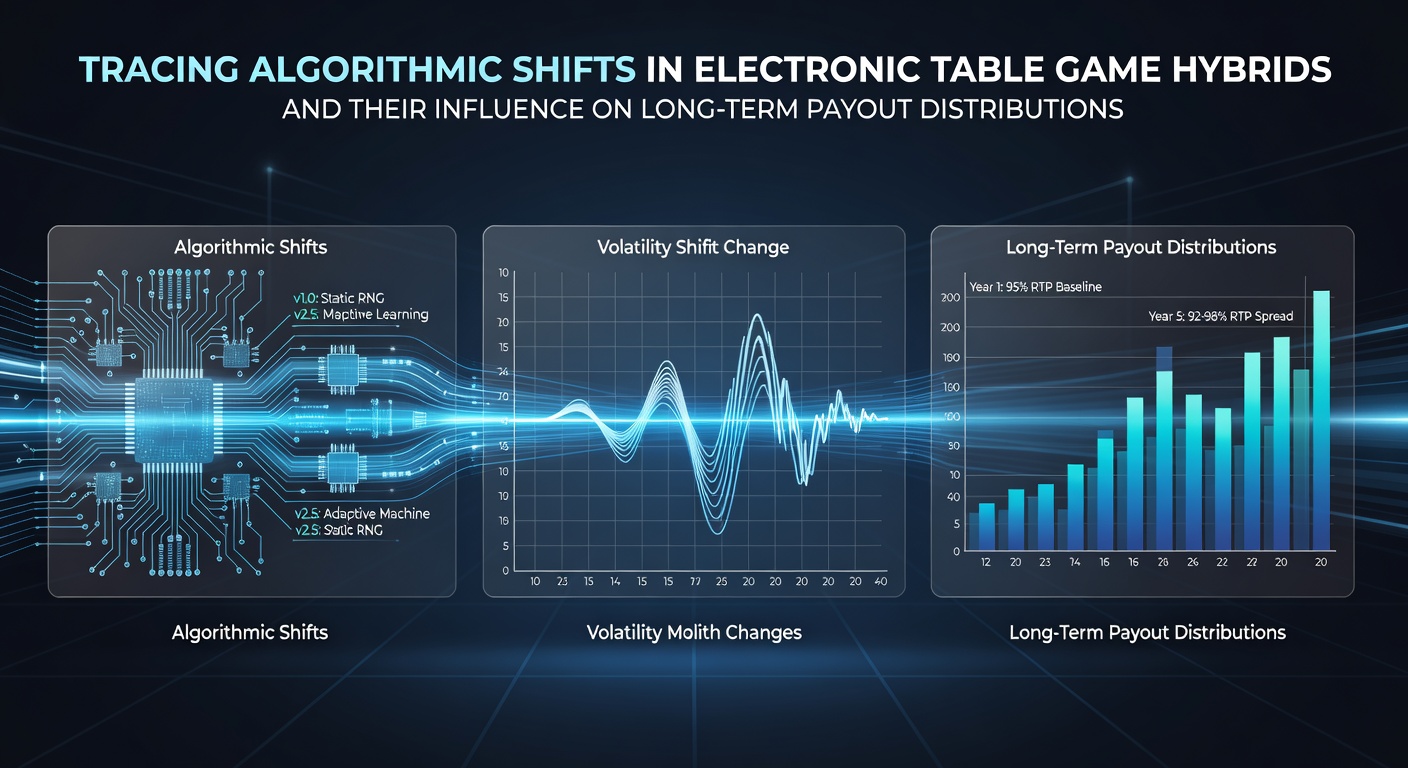
Electronic table game hybrids combine elements of traditional table games with digital interfaces, and recent algorithmic adjustments have begun to reshape how these systems distribute payouts across extended play periods. Observers note that manufacturers now integrate adaptive random number generators alongside player behavior tracking modules, which allows operators to refine return-to-player percentages without altering core game rules. Research indicates these modifications often emerge through software patches rather than hardware replacements, creating gradual rather than abrupt changes in payout patterns.
Data from multiple North American jurisdictions shows that hybrid terminals featuring blackjack-roulette blends experienced measurable RTP stabilization after 2024 firmware revisions. Those who've analyzed terminal logs report that variance in session outcomes narrowed by several percentage points once new weighting algorithms took effect. Yet the same adjustments sometimes extended losing streaks for certain bet types while increasing the frequency of smaller wins, a pattern documented across thousands of recorded plays.
Core Components Driving Algorithmic Evolution
Hybrid systems typically rely on central servers that push updates to individual terminals, and this architecture enables operators to test incremental changes across large machine networks. Experts have observed that the shift toward machine learning models helps predict peak usage times and adjust prize pools accordingly, though regulatory oversight requires these models to remain auditable. In practice, the models analyze historical spin data and modify near-miss frequencies or bonus trigger rates within approved parameters.
What's interesting is how these updates interact with older fixed-payout tables still present in many venues. When a hybrid machine receives a new algorithm, the long-term distribution curve can tilt toward the house edge if the weighting favors high-frequency low-value outcomes. Studies conducted by independent testing labs reveal that even minor coefficient tweaks produce statistically significant deviations after several million simulated hands.
Observed Effects on Extended Payout Distributions
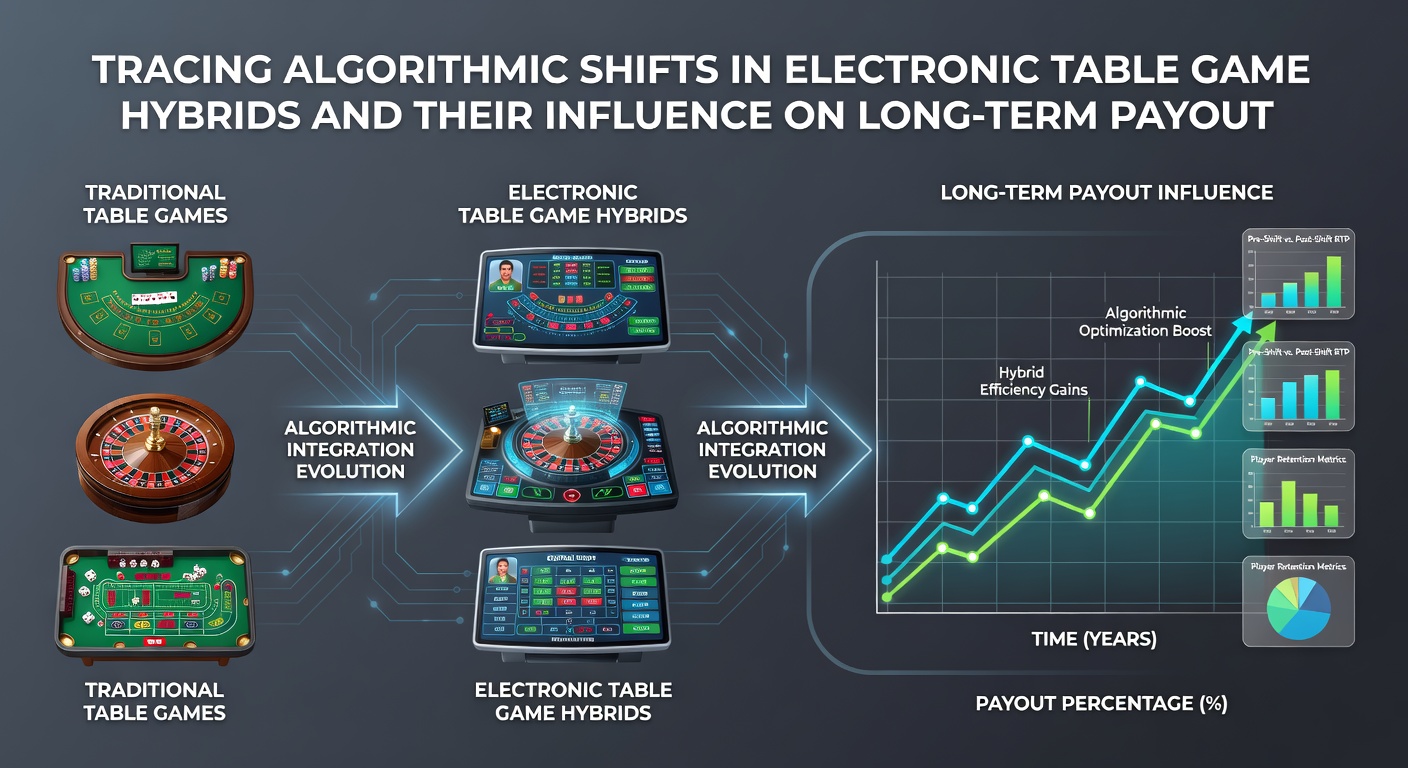
Long-term payout distributions in hybrid environments no longer follow the static bell curves once assumed for mechanical table games. Instead, dynamic adjustments create segmented performance windows where RTP fluctuates based on cumulative play volume. Researchers discovered that certain poker-hybrid terminals exhibited a 0.8 percent drop in overall return after eighteen months of algorithm refinement cycles.
Take one operator who deployed updated software across a fleet of multi-game stations in early 2025. Terminal data later indicated that progressive jackpot contributions increased slightly while base game returns decreased, effectively redistributing player funds toward rarer but larger prizes. Similar patterns appeared in European installations where local rules permitted more frequent calibration.
Regulatory and Technical Milestones Through 2026
By May 2026, several testing laboratories had released comparative reports on hybrid algorithm performance following standardized audit protocols. These documents highlighted how server-side weighting changes affect both short-session volatility and multi-year payback percentages. Figures reveal that jurisdictions requiring public disclosure of RTP ranges now see operators publishing revised numbers every quarter rather than annually.
According to analyses from the Nevada Gaming Control Board archives, hybrid terminals must undergo recertification whenever cumulative code changes exceed defined thresholds. This requirement has encouraged manufacturers to document every coefficient adjustment and its projected influence on payout curves. Meanwhile, academic papers presented at gaming technology conferences have begun modeling these systems using time-series analysis rather than static probability tables.
Future Trajectories for Hybrid Game Design
Industry reports suggest continued movement toward fully server-based architectures where individual terminals function mainly as display and input devices. Such designs allow even more granular control over payout distributions, yet they also demand robust logging to satisfy oversight bodies. Those who've examined early deployments note that player loyalty programs now feed directly into algorithm calibration, creating feedback loops between play habits and prize allocation.
Conclusion
Algorithmic shifts in electronic table game hybrids continue to influence long-term payout distributions through incremental software updates and adaptive modeling. Evidence from regulatory filings and independent simulations demonstrates measurable changes in return patterns once new weighting systems activate. Observers expect further refinement as server-based platforms expand and testing standards evolve to address these dynamic environments.