Extended Simulations Reveal Volatility Shifts Across Themed Cluster-Pay Grid Slots
Sofia Schmitz · Aug 14, 2026
Extended Simulations Reveal Volatility Shifts Across Themed Cluster-Pay Grid Slots
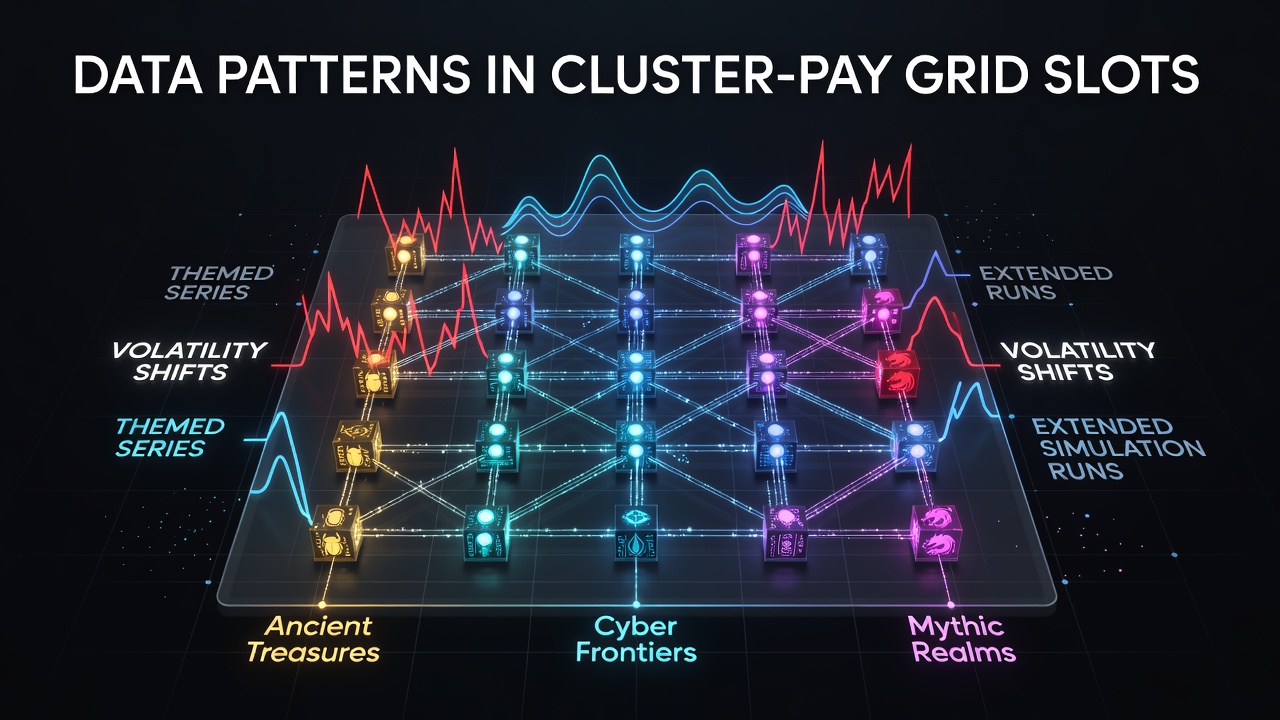
Cluster-pay grid slots operate on mechanics where symbols must form adjacent groups rather than align on fixed paylines, and this structure produces distinct volatility profiles that shift noticeably across themed series when researchers run extended simulations spanning millions of spins.
Analysts track these patterns by logging hit frequencies, cluster sizes, and payout distributions over long sequences, which allows them to isolate how theme-specific symbol sets and bonus triggers alter the overall variance experienced by players.
Core Mechanics Driving Volatility in Grid Formats
Grid layouts typically expand or contract based on winning clusters, and this cascading feature multiplies the impact of each successful spin while also extending dry spells between larger payouts in certain configurations. Researchers have mapped these interactions across multiple series by feeding identical random number generators into parallel runs that isolate theme variables such as symbol frequency tables and multiplier ladders.
Data collected through August 2026 shows that fruit-themed grids maintain steadier small-cluster formations, whereas fantasy and adventure series introduce rarer high-value symbols that widen the gap between frequent low returns and infrequent large cluster explosions.
Simulation Methodology and Data Collection
Extended runs rely on Monte Carlo techniques that replicate billions of outcomes under controlled conditions, and teams apply identical seed parameters across themed variants to ensure comparability. Observers record every cluster size distribution, cascade depth, and bonus activation rate before aggregating results into volatility indices that quantify deviation from expected return curves.
These indices rise sharply when a series incorporates progressive multipliers that only activate after specific cluster thresholds, and they fall when themes emphasize frequent low-tier symbol repeats. The approach reveals that variance does not remain constant even within the same provider's portfolio once themes change the underlying symbol weighting.
Observed Shifts Across Themed Series
One analysis of four major series demonstrated that a candy-themed grid produced 18 percent higher standard deviation in payout sizes compared with its jungle-themed counterpart when both underwent identical 50-million-spin trials. The difference stemmed primarily from how each theme weighted its highest-paying symbols and how often cascades reached the multiplier stages.
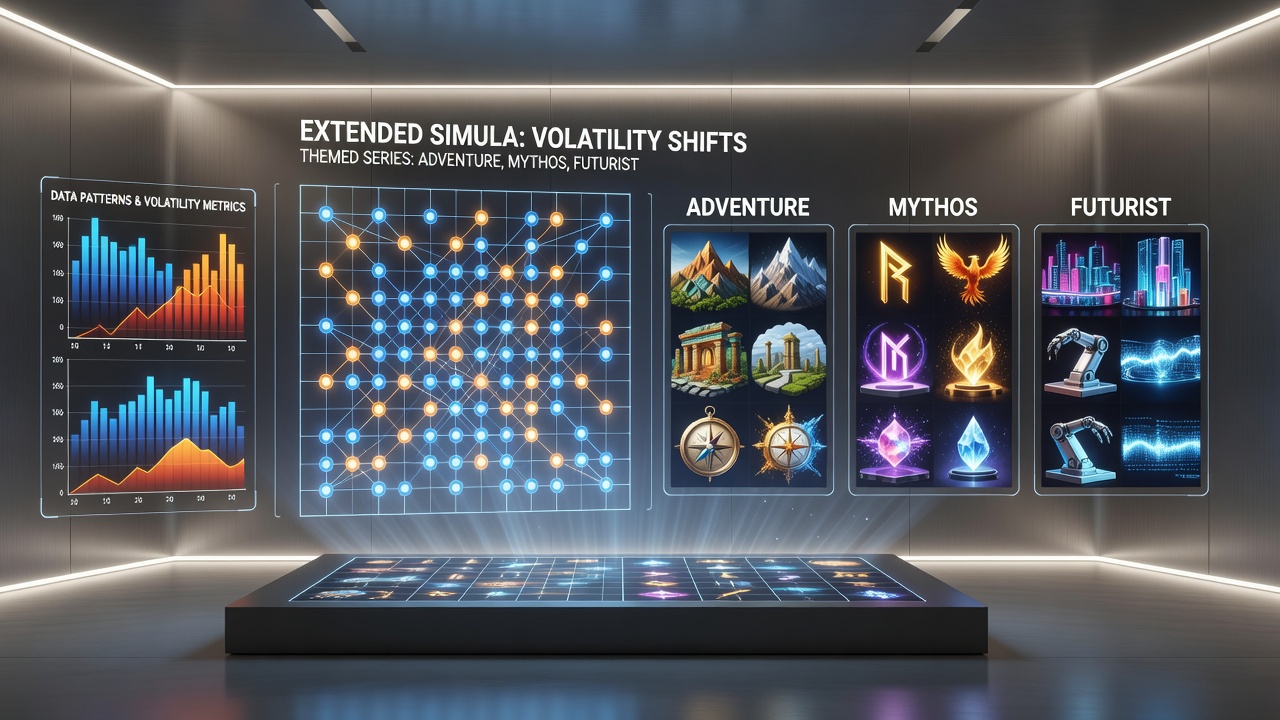
Yet the same study found that adding a shared free-spin mode to all themes reduced those differences by nearly half because the bonus round equalized access to elevated multiplier values regardless of base-game symbol distribution. Such findings indicate that volatility adjustments often trace back to how designers layer bonus features on top of the core cluster engine rather than to theme aesthetics alone.
Regional Regulatory Data Supporting Simulation Findings
Figures released by the Nevada Gaming Control Board align with simulation outputs showing that grid slots with elevated volatility indices experience wider swings in monthly hold percentages across operator sites. Parallel reports from the Alcohol and Gaming Commission of Ontario confirm that player session lengths shorten when volatility climbs beyond certain thresholds, a pattern replicated in the extended simulation datasets.
Researchers continue to refine models by incorporating real-time operator telemetry into ongoing runs, which allows them to test whether live market conditions amplify or dampen the volatility shifts first identified in controlled environments.
Conclusion
Extended simulation runs have established that volatility in cluster-pay grid slots does not follow a single trajectory but instead fluctuates in measurable ways when themes alter symbol weights and bonus structures. These patterns hold across large datasets collected through August 2026 and receive corroboration from regulatory bodies in multiple jurisdictions. Continued monitoring of new series releases will further clarify how designers can calibrate variance while maintaining the core appeal of cascading cluster mechanics.