Slot Volatility Profiles: Their Interconnected Impact on Deposit Bonus Retention
Tina Lorenz · May 17, 2026
Slot Volatility Profiles: Their Interconnected Impact on Deposit Bonus Retention
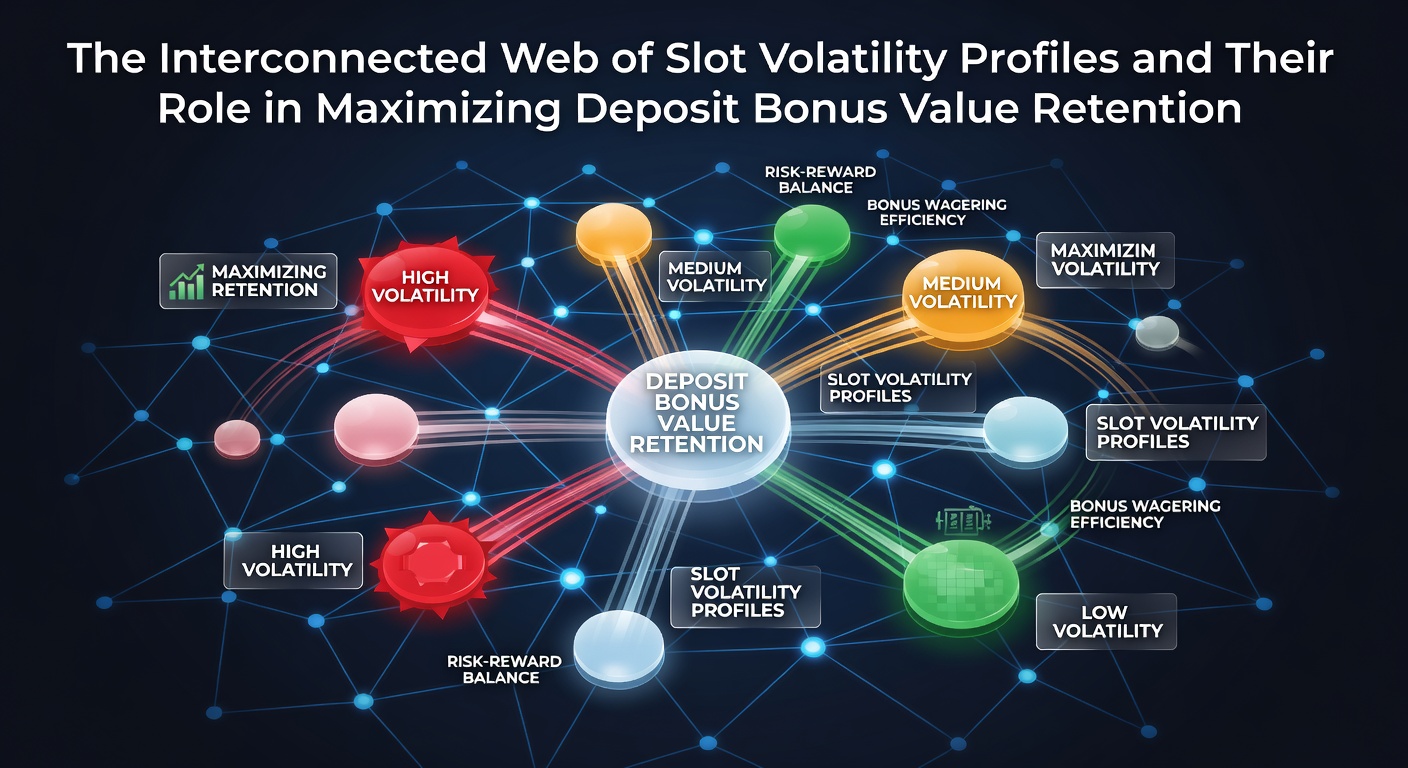
Slot volatility profiles form an interconnected system that shapes how players navigate deposit bonus requirements across digital gaming platforms, and data from multiple regulatory bodies shows clear patterns in how these profiles influence completion rates for wagering targets. Low-volatility machines deliver frequent small wins that help sustain bankrolls during extended play sessions, while medium-volatility options introduce moderate swings that balance risk with payout potential, and high-volatility titles create larger but less frequent returns that can either accelerate or derail bonus progress depending on timing and session length.
Researchers at the Australian Gambling Research Centre examined thousands of bonus activation records and found that players who match volatility levels to specific wagering multipliers achieve higher retention of deposited funds before completing playthrough conditions. This interconnected approach considers not only the base game mechanics but also how bonus features within each volatility tier interact with multiplier requirements, and the findings indicate that mismatched selections often lead to quicker depletion even when overall return-to-player percentages remain comparable across titles.
Understanding Volatility Categories and Their Bonus Interactions
Low-volatility slots maintain steady hit frequencies that support gradual accumulation toward wagering goals, whereas high-volatility games concentrate value in sporadic large payouts that demand careful bankroll management to avoid early termination of bonus eligibility. Observers note that the web of connections extends further when bonus rounds themselves carry separate volatility characteristics, such as free-spin features that might shift a low-volatility base game into higher-risk territory during the promotional period. Data shows these internal shifts affect overall value retention because players must account for both the main game and any triggered enhancements when planning their approach.
Industry reports from the Nevada Gaming Control Board in May 2026 highlighted how operators increasingly label volatility tiers within promotional materials, allowing users to cross-reference these profiles against their chosen bonus structures before committing deposits. This transparency has enabled more precise selection strategies, particularly when deposit bonuses include time limits or game-type restrictions that further narrow viable options within each volatility band.
Maximizing Retention Through Profile Alignment
Alignment between volatility profiles and bonus terms produces measurable differences in completion success, and studies indicate that medium-volatility selections often serve as effective bridges when requirements demand balanced volume without extreme swings. Those who've analyzed large datasets of bonus redemptions observe that high-volatility titles can deliver outsized contributions toward targets when bonus features activate early, yet the same category risks rapid loss if initial spins fail to connect. Low-volatility alternatives provide steadier progress but may require longer sessions to reach identical wagering thresholds, which introduces additional considerations around session fatigue and platform-imposed time windows.
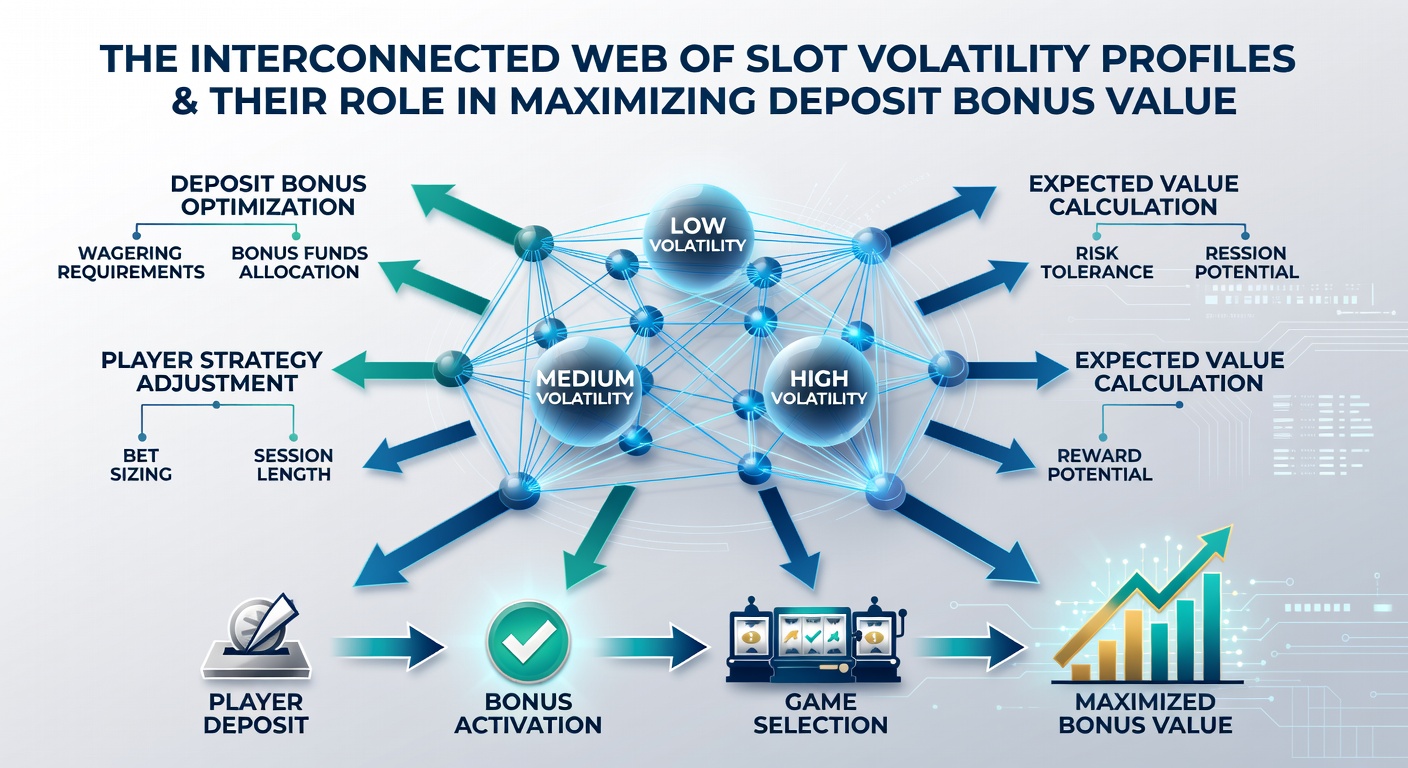
One research paper published by the University of Nevada, Reno examined how interconnected volatility elements within progressive jackpot slots influence bonus retention when players must meet elevated wagering thresholds, and the results revealed that certain high-volatility progressives maintain better value preservation when paired with moderate deposit bonuses rather than high-percentage match offers. These findings underscore the need to evaluate the full network of game features rather than isolated metrics like return-to-player percentages alone.
Practical Considerations for Different Bonus Structures
Deposit bonuses with lower wagering multipliers tend to accommodate a wider range of volatility profiles without significant value erosion, while higher multipliers amplify the importance of selecting titles whose payout patterns align closely with required play volume. Gaming associations across multiple regions report that players who segment their bonus play across complementary volatility levels, starting with lower-risk machines to build momentum before transitioning to medium options, demonstrate improved retention statistics compared with single-profile approaches. This segmented method accounts for the interconnected nature of variance across a session, allowing adjustments as remaining wagering requirements decrease.
Regulatory updates in several jurisdictions now encourage clearer disclosure of volatility information alongside bonus terms, and this development has supported more informed decision-making among users who track historical performance data from similar promotions. Evidence suggests that such transparency reduces instances where mismatched volatility leads to forfeited bonuses, particularly when combined with tools that simulate expected outcomes across different profile combinations.
Conclusion
The interconnected web of slot volatility profiles continues to shape strategies for maximizing deposit bonus value retention, with available data illustrating consistent relationships between profile selection and completion outcomes across varied bonus structures. As operators refine their offerings and regulatory frameworks evolve, these connections remain central to understanding how players can navigate promotional requirements effectively while preserving deposited funds.